
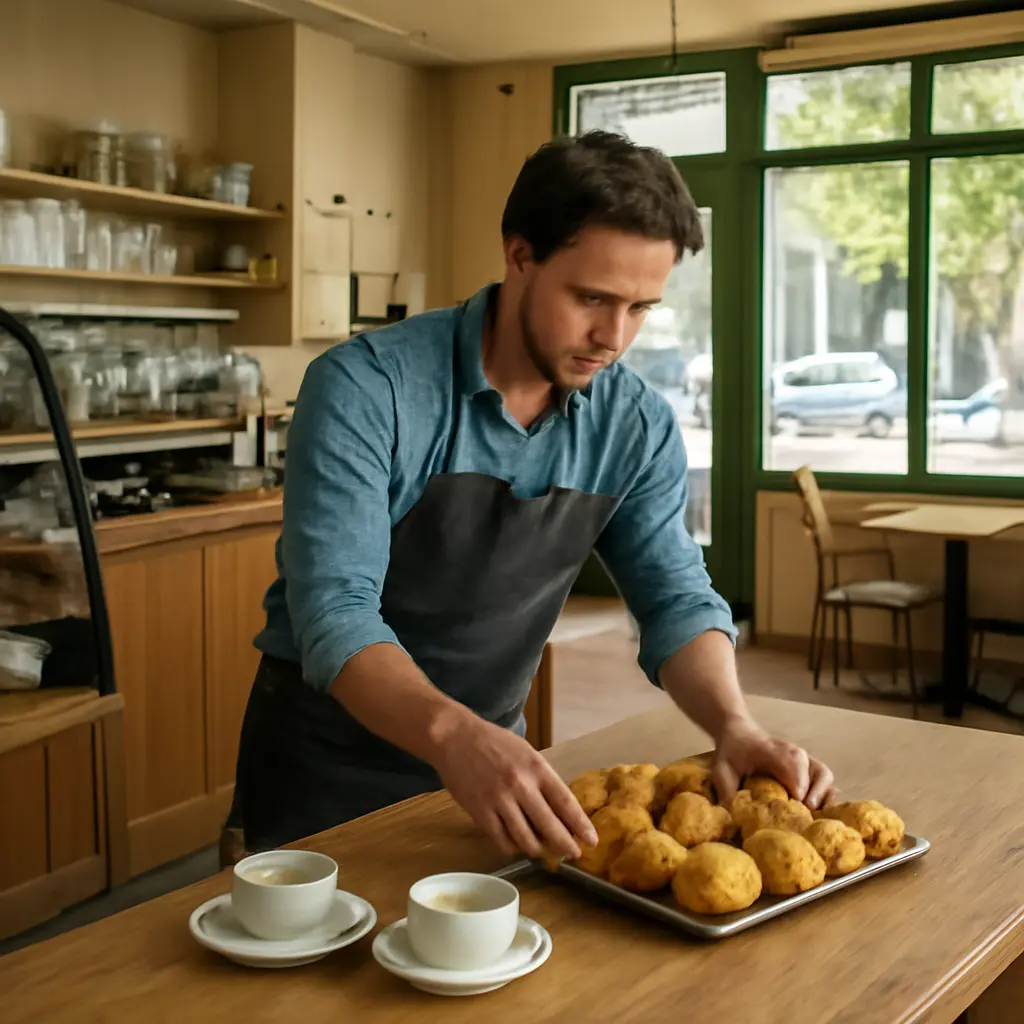
Homemade food can turn a coffee stop from a quick caffeine break into a place people plan to visit. When a café makes pastries, sandwiches, or other food in-house, it can offer fresher choices, distinctive flavors, and a visible connection between its kitchen and its community. That distinction matters in a competitive market: the National Coffee Association reported that 67% of U.S. adults had coffee in the past day in 2024, while restaurant research consistently identifies food quality and experience as important reasons customers choose where to eat. House-made food can help cafés translate those preferences into longer visits, repeat business, and a memorable destination.
How Homemade Food Builds a Coffee Stop’s Destination Appeal
“Homemade food” in a café generally means food prepared on-site or finished from recipes and ingredients selected by the business, rather than simply resold as a packaged product. The term is not a regulated guarantee of ingredient origin or nutritional quality, so cafés should describe their practices accurately. The destination effect comes from combining food with coffee, hospitality, atmosphere, and a reason to return.
The U.S. Bureau of Labor Statistics’ Consumer Expenditure Survey tracks spending on food away from home, including meals and snacks purchased from restaurants and other food-service providers. For cafés, the practical opportunity is to make that purchase feel worthwhile: a house-baked item can distinguish an otherwise familiar latte, encourage a customer to stay, and give the visit a signature feature worth recommending.
Freshness and visible preparation
Freshness is the perceived and actual quality associated with food made close to the time it is served. A display of pastries prepared that morning, or a sandwich assembled to order, makes the production process part of the experience. In-house preparation can also let a café adjust portions, recipes, and daily quantities, although it requires careful food-safety practices and realistic production planning.
The U.S. Food and Drug Administration’s Food Code provides a model for retail food-safety rules, covering areas such as safe temperatures, employee hygiene, and contamination prevention. Local and state authorities adopt and enforce applicable requirements. Freshly made food is an advantage only when safe handling, storage, allergen communication, and staff training support it.
Signature items and menu identity
A signature item is a distinctive product customers associate with a particular business. Examples include a rotating seasonal tart, a house-made biscuit, or a locally inspired breakfast sandwich. These products are hyponyms of homemade café food: narrower categories that express the broader offer through baked goods, savory meals, sweets, and specialty-diet options.
A focused menu can make these items easier to recognize and reproduce consistently. Rather than offering an extensive selection that may lead to waste, cafés can highlight a few dependable favorites and add limited seasonal specials. The National Restaurant Association’s annual industry research tracks consumer expectations and restaurant trends; operators can use such findings alongside their own sales data and customer feedback to test which foods complement coffee occasions.
How Homemade Food Turns Visits into Experiences
Once food establishes a reason to choose one café over another, service and setting determine whether the visit feels like a destination. Homemade food can extend the coffee occasion from a takeaway purchase to breakfast, a work break, or a social meeting. The connection is especially strong when menu design, room layout, and hospitality reinforce the same identity.
Pairings that encourage longer visits
A food-and-coffee pairing combines a menu item with a drink in a way that improves convenience or taste. A buttery pastry with espresso, a savory breakfast roll with brewed coffee, or a small cake with a seasonal latte gives customers an easy, complete choice. Cafés can communicate pairings on menus and display boards without making the offer feel complicated.
Pairings can also support a more balanced daypart mix. Breakfast foods may attract morning traffic, while baked treats and light lunches can give customers reasons to visit later. Operators should monitor item-level sales, preparation time, and unsold inventory to see whether a pairing increases the average order without creating avoidable waste.
Local ingredients and community connection
Local sourcing means purchasing ingredients from producers within a defined region; the term has no single universal distance threshold. When a café uses seasonal fruit, regional dairy, or bread from a nearby baker, it can tell a credible story about where ingredients come from and who makes them. House-made food can strengthen that story by showing how ingredients become part of a finished product.
This approach can make the café feel rooted in its neighborhood, but claims should be specific and verifiable. Naming a supplier or identifying a seasonal ingredient is more informative than using broad phrases such as “farm fresh” without explanation. A practical example is a café that features a locally grown fruit in a weekend pastry, identifies the farm on its menu, and changes the recipe when the ingredient is out of season.
Atmosphere, service, and repeat business
A destination is a place customers choose to visit for the experience, not merely because it is closest or quickest. Comfortable seating, clear displays, welcoming service, and a consistent food offer all contribute. Homemade food cannot compensate for slow service or an uncomfortable space, but it can give those elements a recognizable focal point.
Café owners can validate the destination effect using straightforward measures: repeat-visit rates, sales of food with drinks, average transaction value, customer reviews, and the proportion of customers who dine in. Comparing these indicators before and after introducing a house-made item can help distinguish genuine demand from a one-time launch bump. The data should be interpreted with seasonality, pricing, and opening hours in mind.
How Cafés Can Make Homemade Food Sustainable
A compelling menu must also be operationally and financially workable. In-house food production brings costs for ingredients, labor, equipment, training, and compliance. The strongest approach is often a small, repeatable menu that fits the café’s kitchen capacity and customer demand.
Production planning and food waste
Production planning estimates how much food to prepare and when, using past sales, reservations, weather, and local events as inputs. Small batches can preserve freshness and reduce leftovers, while a limited daily special can test interest before a recipe becomes permanent. Staff should record production quantities and unsold items so that future batches reflect actual demand.
The U.S. Environmental Protection Agency identifies preventing food waste as preferable to managing it after it occurs. For a café, prevention can include forecasting, using ingredients across compatible recipes, and adjusting batch sizes. Donation or composting may help manage surplus where available, but neither replaces sound purchasing and production decisions.
Dietary clarity and food safety
Dietary clarity means giving customers accurate information about ingredients and potential allergens. Menus and staff should be able to identify common allergens and explain whether substitutions or special preparations are possible. Cafés must avoid promising that an item is free from an allergen when shared equipment or preparation areas create a risk of cross-contact.
A safe, transparent operation builds trust alongside flavor. Written recipes, ingredient labels, cleaning procedures, temperature controls, and staff training help maintain consistency as a business grows. Requirements vary by jurisdiction, so operators should consult their local health department and applicable food-safety rules.
A practical way to test a destination menu
- Choose a small set of foods that suit the café’s equipment, staffing, and customer schedule.
- Standardize recipes, portions, ingredient records, and safe-handling procedures.
- Launch one or two signature items and describe what is made in-house accurately.
- Track sales, food-and-drink combinations, customer comments, preparation time, and waste.
- Keep, revise, or retire items based on sustained performance rather than initial excitement alone.
A simple chart can make the test easier to interpret: plot weekly sales of each house-made item alongside the amount discarded and the number of coffee orders containing food. This shows whether a popular item is also operationally efficient, and whether food is strengthening the overall coffee occasion.
Conclusion: Homemade Food Gives Coffee Shops a Reason to Be Remembered
Homemade food can make a coffee stop feel distinctive through freshness, signature products, thoughtful pairings, and a connection to local suppliers. Its destination appeal depends on more than recipes: welcoming service, a comfortable setting, food safety, clear dietary information, and careful production planning all matter. Cafés can begin with a focused menu, measure customer response and waste, and refine the offer over time. For further guidance, review current consumer and industry research, food-safety requirements from local authorities, and food-waste prevention resources before expanding an in-house menu.
Sources: National Coffee Association, National Coffee Data Trends 2024, https://www.ncausa.org/Research-Trends/Market-Research/NCDT; U.S. Bureau of Labor Statistics, Consumer Expenditure Surveys, https://www.bls.gov/cex/; U.S. Food and Drug Administration, Food Code, https://www.fda.gov/food/retail-food-protection/fda-food-code; National Restaurant Association, Research and Media, https://restaurant.org/research-and-media/research/; U.S. Environmental Protection Agency, Preventing Wasted Food At Home, https://www.epa.gov/recycle/preventing-wasted-food-home.