
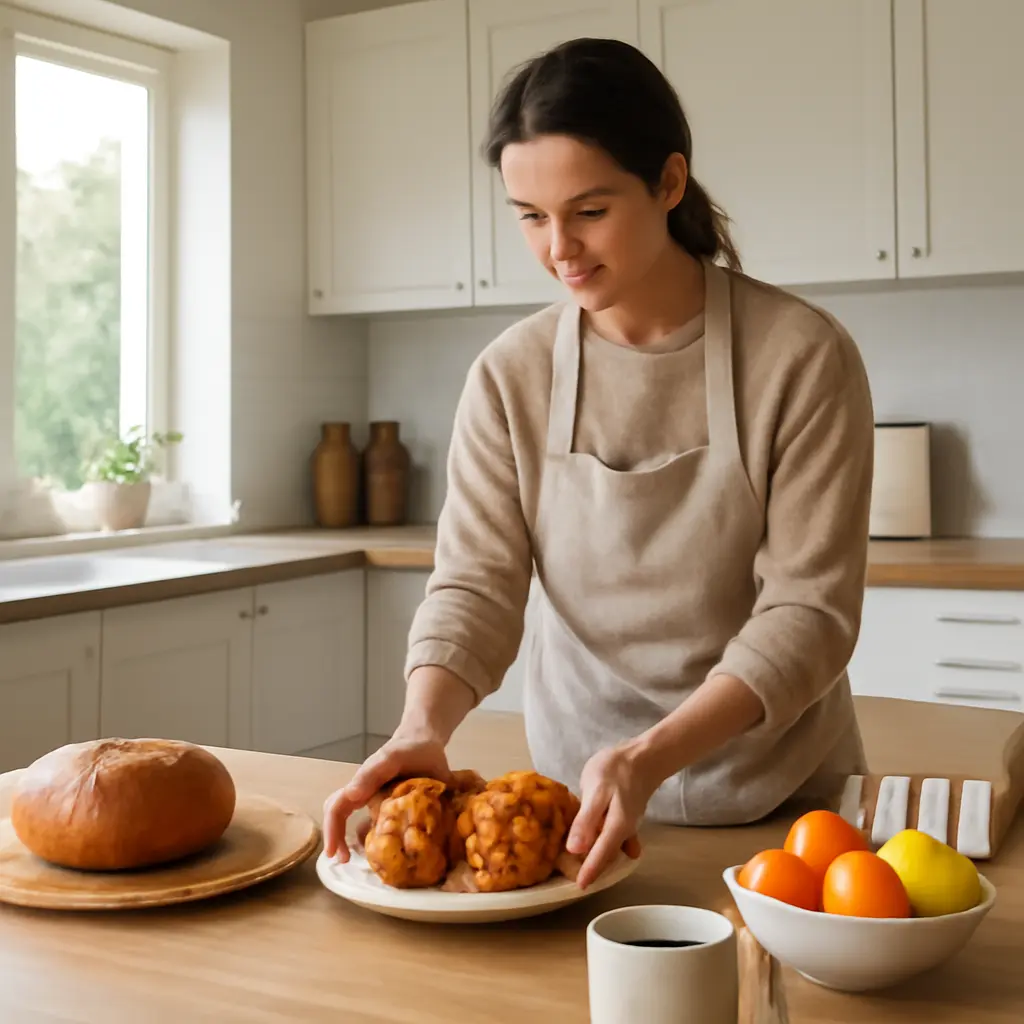
Homemade baked goods can turn breakfast into more than a quick meal: they offer warmth, convenience, and a personal touch. Here, “homemade baked goods at breakfast” means breads, muffins, scones, and similar foods prepared at home and served in the morning. Their quiet power lies in how they combine advance preparation with familiar ingredients and shared routines—not in any automatic health benefit. USDA dietary guidance emphasizes choosing nutrient-dense foods and limiting added sugars, so recipes and portions matter. From practical make-ahead methods to thoughtful ingredient choices, the case for homemade breakfast baking is strongest when pleasure and nutrition are considered together.
Homemade baked goods shape breakfast through convenience and routine
A homemade breakfast bake is a food prepared by baking at home for morning consumption, whether it is eaten fresh or stored for later. The term covers yeast breads, quick breads, muffins, scones, biscuits, and savory pastries. These foods differ in ingredients and nutritional profile, but they share a practical feature: baking can shift some breakfast preparation to an earlier, less rushed moment.
The U.S. Bureau of Labor Statistics’ American Time Use Survey documents how people allocate time to daily activities, including eating and food preparation; it does not establish that homemade baking saves a specific number of minutes. The time advantage depends on the recipe. A batch of muffins made ahead may be convenient on a weekday, while mixing and baking bread from scratch on a busy morning may not be. Treating baking as meal preparation, rather than an elaborate daily task, makes its usefulness more realistic.
Make-ahead baking supports busy mornings
Make-ahead baking means preparing food in advance and storing it safely for later meals. Muffins, quick breads, and biscuits can often be portioned individually, while a loaf can be sliced for easy serving. Pairing a baked item with fruit, yogurt, eggs, or another protein source can make breakfast more substantial than relying on a pastry alone. Follow recipe-specific cooling and storage instructions, and refrigerate foods that require it.
A shared baking routine adds a social dimension
A breakfast routine is a repeated pattern around preparing or eating the morning meal. Baking can become part of that pattern: one person mixes batter, another sets the table, and everyone shares the result. The value is personal and contextual rather than a guaranteed outcome. For households with limited time, a simple weekend baking session may create a more manageable weekday routine without requiring baking every morning.
Ingredient choices determine the nutritional character of homemade baking
Homemade does not automatically mean nutritious. The nutritional character of a baked good depends on its ingredients, serving size, and what accompanies it. The Dietary Guidelines for Americans, 2020–2025, recommend limiting added sugars to less than 10% of daily calories for people aged two and older. That benchmark is a useful reminder to consider sugar in muffins, sweet breads, and breakfast pastries, including foods made at home.
The USDA FoodData Central database provides nutrient information for foods and ingredients, though values vary by brand, recipe, and portion. For a homemade recipe, ingredient labels and measured quantities offer a practical way to estimate what a serving contains. A recipe can also be adjusted gradually, preserving flavor and texture while improving its overall balance.
Whole-grain breads and quick breads
Whole-grain baking uses flour that retains the grain’s bran, germ, and endosperm. Replacing some refined flour with whole-wheat flour or oats can increase the whole-grain content, though it may also make a loaf denser or alter its texture. The Whole Grains Council explains that whole grains retain these three components, unlike refined grains, which have some parts removed. A gradual substitution is often easier to adapt to than changing every ingredient at once.
Fruit, nuts, and seeds add variety
Fruit, nuts, and seeds are common additions that change a bake’s flavor, texture, and nutrient profile. Berries, grated apple, or mashed banana can contribute fruit; nuts and seeds add crunch and can provide unsaturated fats and protein. These additions do not make a sweetened recipe sugar-free or automatically balanced, and allergies must be considered. The FDA identifies nine major food allergens, including wheat, eggs, milk, tree nuts, peanuts, soy, and sesame, which are all relevant to common baking ingredients.
Portions and pairings matter
A portion is the amount served at one sitting; it can differ from the serving size used on a nutrition label. A large muffin may contain multiple portions’ worth of ingredients, so comparing recipe yield with actual serving size helps make nutrition estimates more meaningful. Pairing a modest piece of bread or a muffin with protein-rich or fresh foods can also create a more varied breakfast than treating the baked good as the entire meal.
Safe storage and planning protect the benefits of homemade breakfast goods
Food safety is part of successful make-ahead baking. Baked goods containing perishable fillings or toppings—such as custard, cream cheese, or certain dairy-based fillings—may need refrigeration, even when the bread or pastry itself would normally be stored at room temperature. The U.S. Food and Drug Administration advises keeping refrigerators at 40°F (4°C) or below and not leaving perishable foods at room temperature for more than two hours, or one hour when temperatures exceed 90°F (32°C).
Plan storage around the recipe
Storage means protecting food from spoilage and quality loss after baking. Let baked goods cool as directed before wrapping to limit trapped condensation, then use an airtight container when appropriate. Refrigerate items with perishable ingredients and freeze portions intended for longer storage. Because recipes vary, follow reliable food-safety guidance for fillings and ingredients rather than assuming all baked goods can be stored the same way.
Batch baking makes the routine flexible
Batch baking is preparing several portions in one session for use over multiple meals. A household might bake a loaf and a tray of muffins, freeze some portions, and keep a smaller amount available for the next few days. This approach can reduce weekday effort and food waste when portions are planned around actual demand. A simple note of the bake date and storage location helps prevent forgotten items from lingering in the freezer or pantry.
Conclusion: homemade baking works best as a practical, balanced ritual
Homemade baked goods can bring convenience, variety, and a sense of shared routine to breakfast. Their quiet power comes from preparation and personal choice: a make-ahead loaf can ease a rushed morning, while whole grains, fruit, mindful portions, and suitable pairings can shape a more balanced meal. Ingredient decisions and safe storage remain essential, since homemade does not by itself guarantee better nutrition or food safety. Start with one recipe that fits your schedule, adjust it to your household’s needs, and use trusted food-safety and nutrition guidance as you build a breakfast routine.
Sources: U.S. Department of Agriculture and U.S. Department of Health and Human Services, Dietary Guidelines for Americans, 2020–2025, https://www.dietaryguidelines.gov/; U.S. Department of Agriculture, FoodData Central, https://fdc.nal.usda.gov/; U.S. Department of Agriculture, American Time Use Survey, https://www.bls.gov/tus/; Whole Grains Council, What Are Whole Grains?, https://wholegrainscouncil.org/what-are-whole-grains; U.S. Food and Drug Administration, Food Allergies, https://www.fda.gov/food/food-labeling-nutrition/food-allergies; U.S. Food and Drug Administration, Are You Storing Food Safely?, https://www.fda.gov/consumers/consumer-updates/are-you-storing-food-safely.